In the competitive air transport sector, customer satisfaction is usually considered the key indicator of commercial success. However, there is a corporation that has openly defied this dogma for decades with astonishing profitability. Ryanair has managed to turn constant complaints into one of the most brilliant marketing campaigns of the 21st century. The irreverent leadership of Michael O’Leary demonstrates that consumer dissatisfaction is irrelevant if the core value proposition is unbeatable. At the European Business School of Barcelona (ENEB), we analyze this case as a masterclass in extreme positioning and cost control.
The Philosophy of Extreme Low Cost: When Price Redefines the Market
To understand the company’s success, we must break down the essence of its business strategy. While traditional airlines competed by offering premium services, O’Leary understood that the average consumer prioritized a single variable: the price of the ticket. The organization stripped air travel of all superfluous elements, transforming it into a mere mass transit service. This decision divided the market but captured an immense user base willing to sacrifice comfort in exchange for traveling across Europe at minimal costs.
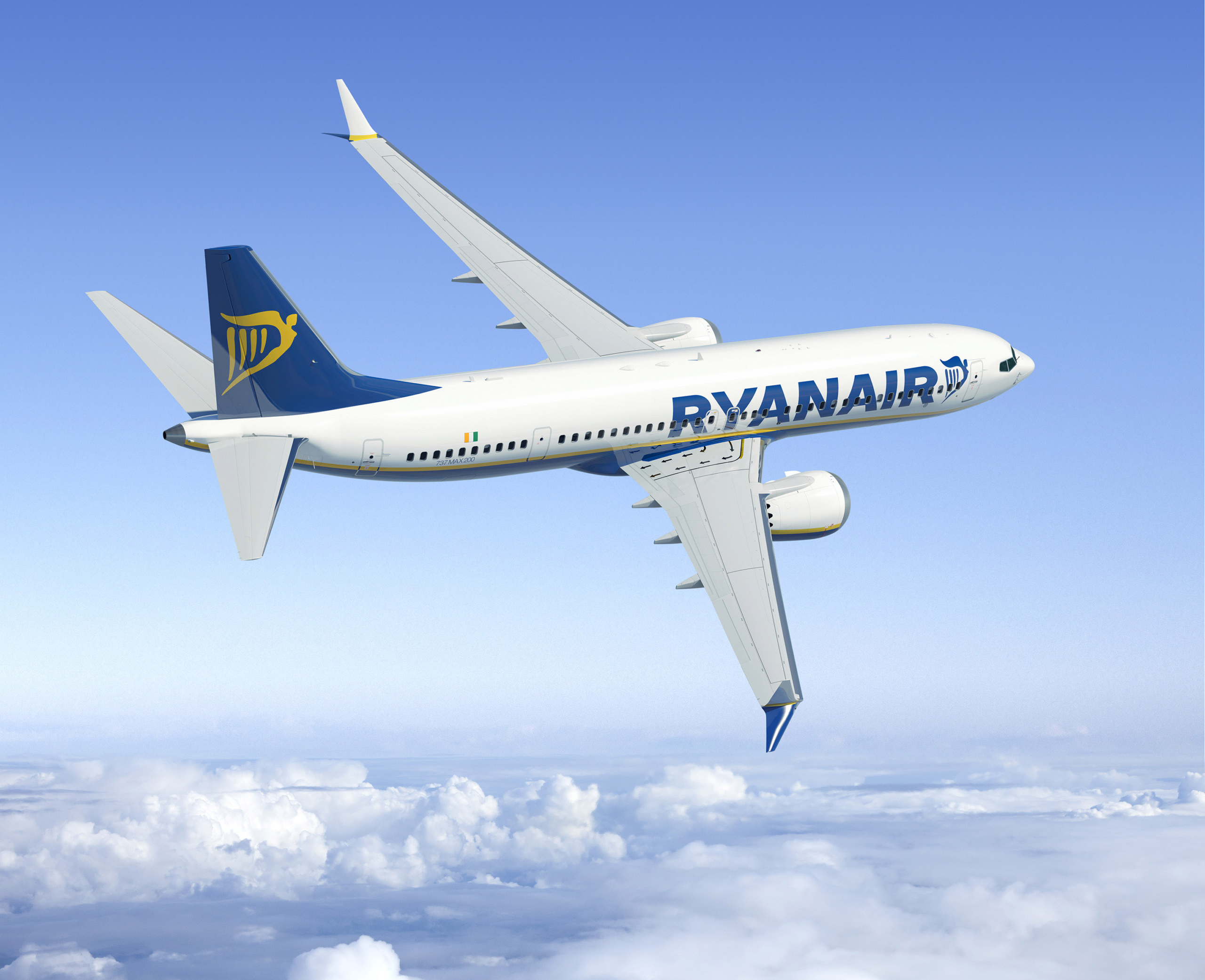
This operational structure is supported by an absolute standardization of its fleet of Boeing 737 aircraft. By using a single model, they reduce maintenance costs and streamline the training of technical personnel. In addition, the airline operates primarily out of secondary airports, where landing fees are lower. This aggressive cost management allows them to offer base fares that traditional competition cannot match without entering immediate operational losses. The company does not seek to be loved; it seeks to be the logical and indispensable option for the mass market.
Web Interface Design: A Perfectly Consented Psychological Trap
The true financial magic of the company does not happen in the air, but during the digital booking process. The airline’s website is a subject of study in neuromarketing courses due to its persuasive design. It is a digital architecture engineered to guide the user through a labyrinth of complex decisions. The customer starts the journey attracted by a ridiculously low fare but must overcome multiple psychological barriers before completing the final payment.
The platform systematically uses design patterns that generate urgency and fear of missing out (FOMO). Scarcity messages or active session timers pressure consumers into making quick decisions. Throughout the process, the system attempts to add additional services subtly but constantly. Seat selection, insurance, and priority boarding are presented as almost mandatory options. This web design forces the buyer to maintain absolute attention to avoid unforeseen charges.
The Maze of Ancillary Revenues
This digital strategy is the engine of the company’s so-called ancillary revenues (complementary income). The corporation has perfected the art of unbundling the core product to the point of charging for services that were traditionally free. Printing the boarding pass at the airport, checking a small bag, or traveling with an infant carry very high associated costs. For the finance department, these additional fees are extremely lucrative because they are not subject to the same taxes as the main airline tickets.
The consumer accepts these conditions because the alternative remains economically superior on most routes. The company has successfully managed to get customers to take on administrative check-in tasks themselves, reducing ground staff. This transfer of functions optimizes the general operational efficiency of the airline’s entire network of destinations. The user complains about the process but completes the transaction because the total cost is still lower than that of its rivals.
Trolling as an Advertising Campaign: Cheeky Success on TikTok
The most disruptive aspect of its recent communication strategy is its brilliant performance on digital social networks. While most corporations spend fortunes trying to clean up their image, the Irish airline proudly embraces its role as the villain. Its official TikTok account has become a global benchmark for organic marketing. Instead of ignoring criticism about legroom or delays, the social media team openly mocks the users themselves through witty memes.
This irreverent communication tactic has connected massively with younger generations of consumers. The brand presents itself as an honest entity that does not hide its shortcomings under a false layer of corporate luxury. By laughing at themselves, they completely disarm attacks from dissatisfied customers online. The Customer Acquisition Cost (CAC) decreases significantly thanks to this constant viral impact, which requires no investment in traditional media. Provocation is thus transformed into an invaluable and highly profitable public relations tool.
Management Lessons: The Radical Consistency of Michael O’Leary
For business administration students at ENEB, this case offers vital takeaways regarding strategic alignment. Michael O’Leary has proven that a leader does not need to please everyone to build a highly profitable enterprise. The key to the airline’s long-lasting success lies in its radical consistency with the brand’s core promise. They promise to get you from point A to point B for the lowest possible price, and they deliver on that operational function consistently.
Trying to please critics by adding luxuries or improving customer service would destroy its competitive cost advantage. Senior management maintains an implacable focus on financial discipline, resisting pressures to soften its commercial image. This clarity of objectives is what allows the organization to survive industry crises and expand its market share year after year. The lesson for the leader of the future is crystal clear: define your defensive moat, accept the consequences of your model, and execute it without wavering.
Conclusion: The Triumph of Economic Pragmatism over Experience
The analyzed operational model proves that consumer psychology is dominated by financial pragmatism. Despite boycott threats and negative comments on digital platforms, the company’s planes always fly full. The modern customer is willing to tolerate an uncomfortable experience if the financial savings are direct and tangible for their wallet. The organization has successfully monetized discontent because they perfectly understand the true priorities of their target audience.
In conclusion, the airline’s success underlines that traditional corporate reputation is not the only path to industry leadership. Building a brand based on consented hate demands flawless, seamless operational execution. Do not copy your rivals; look for the contradictions in your market and exploit them to design a bold business strategy. At the end of the day, your organization’s finances will be sustained by real results, not by the love of your consumers.