In the contemporary global market, the export of cultural goods is no longer an organic byproduct of art. Today, the entertainment industry is managed with the same scientific rigor found in the automotive or technology sectors. The global boom of K-Pop in this year 2026 is neither an aesthetic accident nor a stroke of viral luck. It represents the absolute triumph of state planning and corporations that approached music as a process of advanced manufacturing. South Korea has successfully industrialized creativity, redefining the international rules of the mass-market music sector.
At the European Business School of Barcelona (ENEB), we analyze this transformation as a resounding success story in operations management. Leading agencies like HYBE have surpassed the traditional model of Western record labels by optimizing their processes. They no longer passively hunt for talent in independent circuits. Instead, they have built a closed vertical ecosystem that controls everything from artist training to the digital distribution of spin-off products.
In this article, we analyze how factory-style standardization, niche marketing, and technology platforms have consolidated a billion-dollar economic empire.
The Fordist System of Entertainment Agencies and Talent Standardization
The production of a K-Pop star follows a strict quality control process reminiscent of industrial assembly lines. Agencies recruit youth from all over the world through highly competitive mass auditions. Once selected, these trainees enter an internal training system that lasts several years. They receive intensive classes in singing, dancing, languages, stage presence, and public relations. This incubation period eliminates the randomness of natural talent, guaranteeing a uniform and predictable performance standard before their debut.
This operational approach drastically reduces an entertainment agency’s financial investment risk in the market. Each member of a musical group fulfills a highly specific function within the band’s collective machinery:
- The Clear Leader: Manages internal dynamics and serves as the primary spokesperson.
- The Main Vocalist: Guarantees the musical execution and recording quality.
- The Star Dancer: Leads the complex, synchronized choreographies that go viral.
- The Visual Specialist: Defines the aesthetic identity and urban style of the group.
Agencies apply ruthless quality control before allowing any cultural product onto the market. If an element does not meet the established goals, it is immediately replaced on the production line.
HYBE and Corporate Evolution: Diversification and Vertical Integration
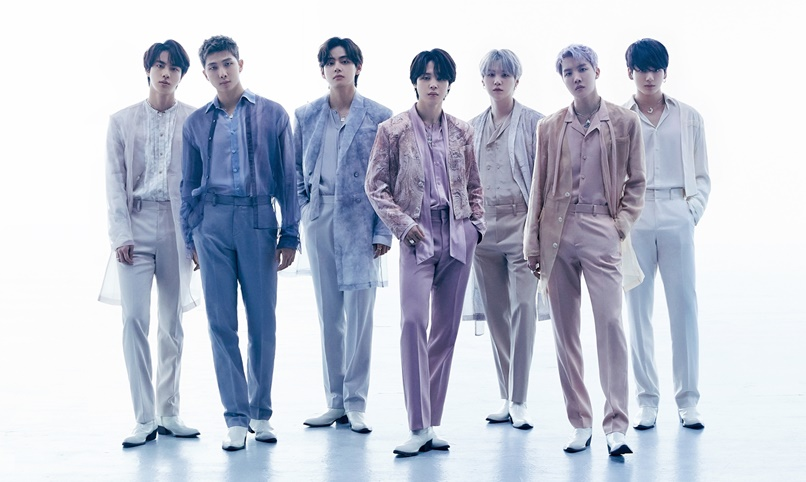
The corporation HYBE, the mastermind behind the historic success of bands like BTS, represents the maturity of this global business model. The company no longer defines itself as a simple talent agency or record label. It has transformed into a multinational conglomerate of intellectual property and technology applied to entertainment.
Their corporate strategy relies on an intelligent diversification that shields their revenue from traditional music record sales:
                  ┌─── Video Games & Apps
                  ├─── Fashion & Streetwear
HYBE ECOSYSYEM ───┼─── Digital Comics (Webtoons)
                  ├─── E-commerce Platforms
                  └─── Music & IP Licensing
The company uses a vertical integration strategy to control every link in the product’s cultural value chain. By acquiring local and international independent record labels, they expand their asset portfolio without losing operational efficiency. This decentralized business model mitigates the financial impact if a specific musical group halts its commercial activities. The corporation no longer depends on the genius of a single artist, but on the robustness of its infrastructure. Their organizational structure allows them to replicate success across different geographic markets simultaneously.
Optimizing the Cultural Product Through Data Analytics
The design of each song and music video is never left to the raw intuition of creative directors. Agencies use advanced data analytics tools to study consumption trends in the international market. They closely analyze the algorithms of streaming platforms to determine the ideal duration of a musical track. Song structures are engineered precisely to maximize user retention on social networks.
This audio engineering is complemented by market research on the aesthetic preferences of global internet audiences. Album visual concepts change dynamically based on behavior detected by data analysts. Evidence-based decision-making significantly reduces the margin of error for advertising campaigns. Art is consciously subordinated to commercial efficiency, guaranteeing a predictable return for shareholders.
International Branding and an Apple-Style Premium Ecosystem
The commercialization strategy of these musical groups bears a striking similarity to Apple’s business model. Agencies do not just sell songs; they sell a complete aesthetic ecosystem and an aspirational, premium lifestyle. Each band possesses a unique international branding identity, its own corporate logos, and a fictional narrative universe. Physical products, such as limited-edition albums, are designed as luxury collector’s items.
This mastery of brand building allows them to charge premium prices for traditionally cheap products. Followers do not just buy a standard music album; they acquire a numbered piece that includes exclusive photography books. By applying visual codes from the luxury market, the South Korean industry has bypassed the devaluation of physical formats. They have successfully made the customer desire to own the object for its aesthetic value and differential social status. Official brand merchandise effectively becomes badges of belonging to an exclusive global club.
Fan Community Management: Monetizing the Sense of Belonging
The true defensive moat for corporations like HYBE is the management of their virtual fan communities on a global scale. Through proprietary technology platforms like Weverse, the company has completely disintermediated its relationship with end consumers. This web application functions as a closed social network where artists interact directly with their audience. The platform seamlessly integrates exclusive content, live broadcasts, and the official e-commerce store.
| Strategy Component | Operational Impact |
| Direct-to-Consumer Platform | Cuts out third-party social networks, retaining 100% of user data and commercial margins. |
| Organic Amplification | Fans transform into an active community that organically promotes the brand online for free. |
| Multi-Tier Monetization | Sense of belonging is monetized via premium subscriptions, interactive virtual events, and priority ticket sales. |
This excellent community management exponentially and measurably maximizes the Customer Lifetime Value (LTV). The company has successfully guided the customer to take over the advertising and dissemination workload of its marketing campaigns.
Conclusion
The phenomenon of the South Korean music factory proves that traditional markets can always be redefined through operational excellence. South Korea did not compete against Western entertainment using the rules of the classic industry. Instead, they built an industrial assembly line that married Fordist discipline with the most advanced digital technology strategies. The successful K-Pop model is, ultimately, the triumph of rigorous business management applied to the emotional sector.
For leaders and professionals trained under the high standards of ENEB, this case offers indispensable strategic takeaways:
- Structure Your Value Chain: Creativity and innovation are not at odds with process optimization and quality control.
- Master Data Analytics: Use evidence to eliminate guesswork from your product design and marketing campaigns.
- Build Powerful Ecosystems: Focus on brand identity and experience to elevate your product beyond commodity pricing.
- Automate Retention: Nourish your community and provide spaces where they can directly connect with your brand’s universe.
The future belongs to those who know how to transform their market’s passion into a solid, scalable, and highly profitable corporate structure.