In less than a decade, TikTok went from being an unknown app to becoming one of the most influential platforms on the planet. With millions of users worldwide, especially among young people, its cultural impact is undeniable. However, behind the dances, challenges, and viral content, a conflict has emerged between the United States and TikTok for reasons that go far beyond technology: national security, international politics, and the regulation of the digital world all come into play.
This story not only changes the way we understand social media, but also opens a deep debate about data sovereignty, geopolitical power, and the future of digital commerce. Below, we break down its key points.
What is TikTok and why did it succeed?
TikTok is a short-form video platform owned by ByteDance, a company based in China. Launched internationally in 2017, it combined entertainment, personalization, and virality to attract hundreds of millions of users worldwide in record time. Its highly sophisticated algorithm personalizes content almost instantly, turning it into one of the most addictive apps of the digital era.
The conflict with the United States: key concerns
National security and user data
Since 2020, the United States has raised serious national security concerns, arguing that TikTok could share data from millions of Americans with the Chinese government. This data includes personal information, in-app activity, and behavioral patterns, which for many critics represents a potential risk of espionage or foreign influence.
In response, in 2022 the No TikTok on Government Devices Act was approved, which banned the use of TikTok on federal government devices for security reasons.
Attempts at regulation and prohibition
Executive order and legal challenges
In August 2020, then U.S. President Donald Trump signed an executive order seeking to ban TikTok unless its parent company, ByteDance, sold the app or separated it from its control.
However, this initial move was blocked by the courts and later revoked, leading to years of debate over whether TikTok should be allowed to continue operating in the United States. The dispute included legal cases such as TikTok, Inc. v. Garland, in which the company argued that forcing the sale of the platform violated freedom of expression.
2024 law and Supreme Court decision
In April 2024, the U.S. Congress passed the Protecting Americans from Foreign Adversary Controlled Applications Act, a law that required TikTok to be sold or face a complete ban in the country on national security grounds.
On January 17, 2025, the Supreme Court upheld this legislation, consolidating the requirement of divestiture or prohibition.
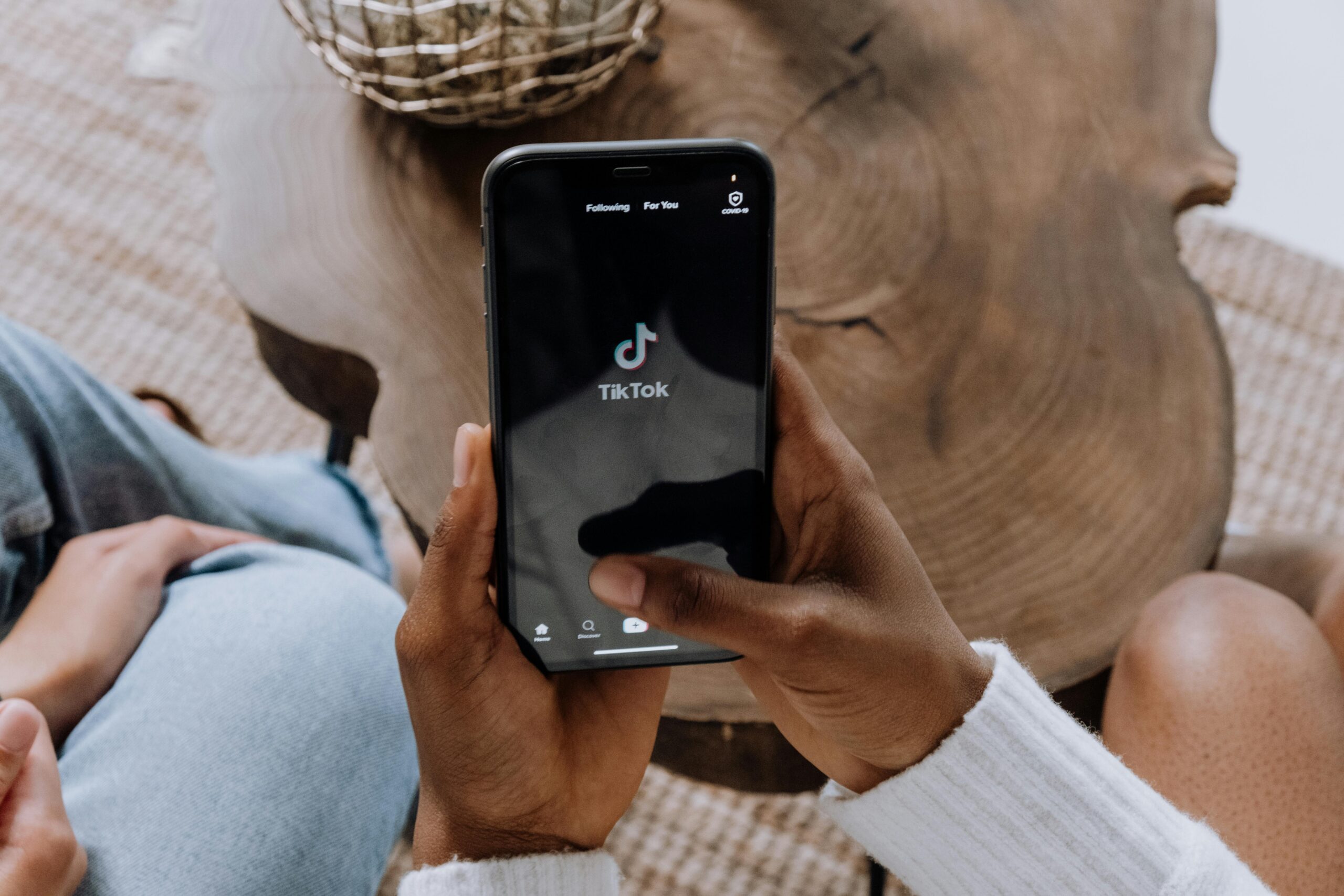
What has happened to TikTok in the United States?
Restrictions, agreements, and new negotiations
Since that ruling, TikTok has operated in a highly uncertain environment. The United States imposed deadlines and restrictions, banning downloads from app stores and limiting its use on federal devices.
By late 2025, an agreement was reached under which ByteDance agreed to create a new entity for TikTok’s U.S. operations, with a majority stake held by American investors, including Oracle and other partners. This move aims to ensure data protection, algorithm oversight, and content moderation under local supervision, thereby avoiding a total ban.
The agreement is expected to be finalized this month, January 2026, marking a possible new chapter for TikTok in the United States.
Global implications of the conflict
A precedent for digital sovereignty
This conflict is not just about TikTok; it represents a broader tension between globalized technology and state regulation. The United States seeks to set precedents on how to control applications that collect data at massive scale, and that could potentially influence domestic policies or compromise citizens’ privacy.
Debate over freedom of expression vs. security
TikTok has consistently argued that forcing its sale or banning the platform violates fundamental rights, particularly freedom of expression. According to the company, restricting access to a platform with over one hundred million users directly affects the right to communicate and share ideas.
Conclusion
The relationship between the United States and TikTok is a complex mix of politics, technology, economics, and digital rights. It represents a new frontier in the regulation of global platforms, where data access, national security, and freedom of expression collide in unprecedented ways.
This case also highlights the importance of understanding the implications of operating in an interconnected world, and how strategic decisions can impact not only technology companies, but also millions of users and public perceptions of the balance between security and freedom.